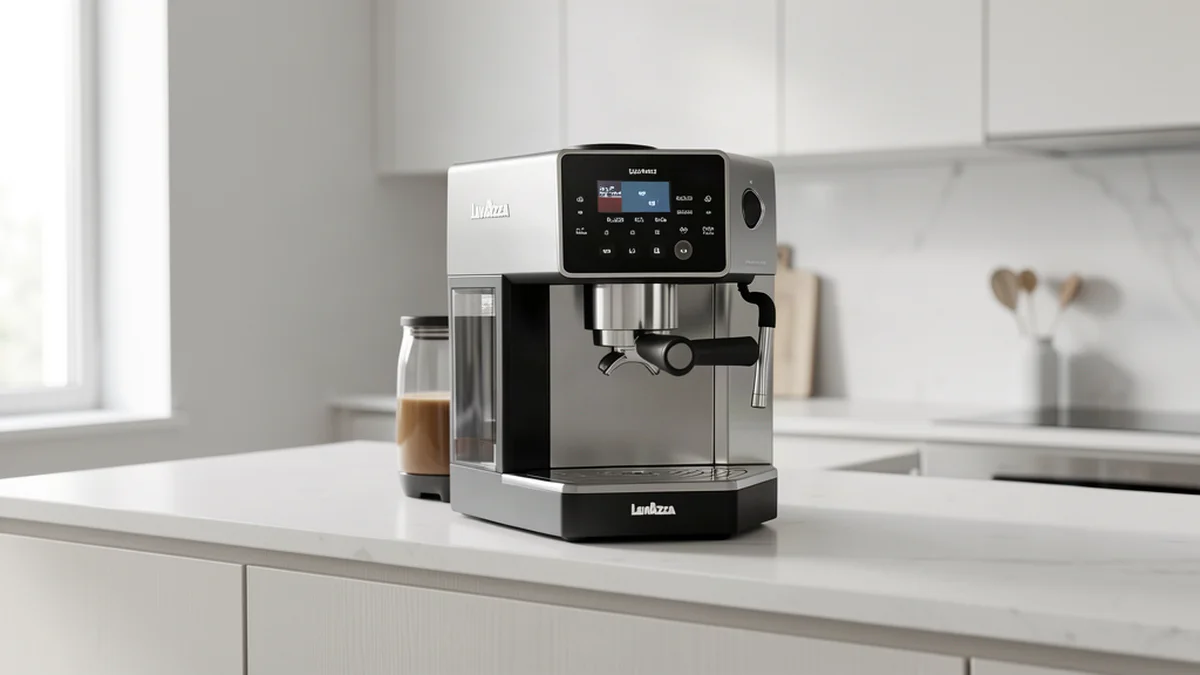
What Causes Brewing Too Slow?
Lavazza A Modo Mio machines use proprietary capsules and compact brewing systems.
- Maintenance neglect: Irregular descaling and cleaning are the top causes.
- Component wear: Seals, gaskets, and pumps degrade with use.
- Water quality: Hard water causes scale that blocks sensors and heating elements.
- Model-specific issues: Lavazza not turning on has known patterns in Lavazza A Modo Mio, Lavazza Fantasia, Lavazza Deséa.
Step-by-Step Fix
Follow these steps specifically for Lavazza machines:
- Check that the 🇮🇹 Lavazza power cord is firmly seated in both the machine and wall outlet.
- Test the outlet with another device. If the outlet has power, inspect the Lavazza power switch for damage.
- Perform a hard reset: unplug the Lavazza machine for 60 seconds, then reconnect. This clears temporary control board faults.
- If still dead, the internal thermal fuse or power supply module may need replacement. Contact Lavazza service.
Lavazza Pro Tip
Expert advice: If the capsule is not recognized, reposition it in the holder and ensure proper alignment.
Model-Specific Notes
These steps apply to: Lavazza A Modo Mio, Lavazza Fantasia, Lavazza Deséa, Lavazza Smeg, Lavazza LB. For exact part numbers, consult the Lavazza parts catalog at Lavazza Support.
Preventive Maintenance
Descale monthly if using very hard water.
- Use filtered water to reduce scale buildup
- Clean the brew group weekly
- Replace water filters as recommended
- Run cleaning cycles for milk systems monthly
Popular Lavazza Models
When to Call a Professional
If these steps don't resolve the issue, contact an authorized Lavazza service center. Complex electrical or hydraulic problems require professional diagnosis.