What Causes Coffee Too Weak?
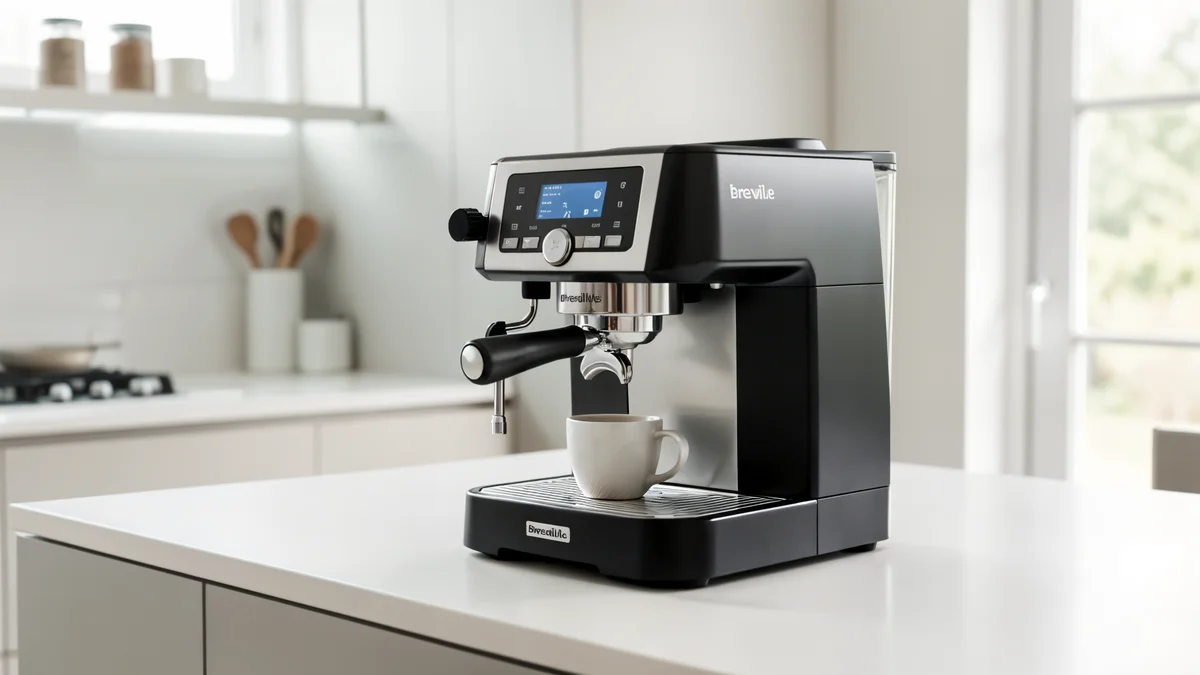
Breville/Sage machines offer precise temperature control and pressure gauges for dial-in brewing.
- Maintenance neglect: Irregular descaling and cleaning are the top causes.
- Component wear: Seals, gaskets, and pumps degrade with use.
- Water quality: Hard water causes scale that blocks sensors and heating elements.
- Model-specific issues: Breville Sage coffee too weak has known patterns in Barista Express, Barista Pro, Barista Touch.
Step-by-Step Fix
Follow these steps specifically for Breville Sage machines:
- Increase grind size on your Breville Sage. Start with one coarser setting and test.
- Verify brew temperature. Breville Sage machines should reach 90-96°C for proper extraction.
- Check pump pressure. Use the Breville Sage pressure gauge if equipped; target 9-15 bar.
- Use beans roasted within 2-4 weeks. Stale beans produce weak, flat coffee.
Breville Sage Pro Tip
Expert advice: Barista Express users: purge the steam wand for 10 seconds before steaming to avoid splatter.
Model-Specific Notes
These steps apply to: Barista Express, Barista Pro, Barista Touch, Bambino, Oracle. For exact part numbers, consult the Breville Sage parts catalog at Breville Sage Support.
Preventive Maintenance
Backflush the group head weekly with blind filter and detergent.
- Use filtered water to reduce scale buildup
- Clean the brew group weekly
- Replace water filters as recommended
- Run cleaning cycles for milk systems monthly
Popular Breville Sage Models
When to Call a Professional
If these steps don't resolve the issue, contact an authorized Breville Sage service center. Complex electrical or hydraulic problems require professional diagnosis.